

The fastest wins usually come from fixing what you already have, a sharper landing page, one clear call to action, faster follow up, rather than adding new channels. Speed matters more than most people think: responding to a new enquiry within five minutes can lift contact rates by roughly 900% compared to a slower reply, and waiting more than 30 minutes can cut your chance of closing the lead by around 80%. Layer in a genuinely useful lead magnet, simple lead scoring, and a lead generation tool such as Meet Rocco that keeps your contact data current, and the tactics below start to compound.
Growing sales is not only about finding more people. It is about attracting the right people, earning trust early, and giving them a clear reason to take the next step. For Australian businesses, that often means balancing practical value with credibility. Buyers want useful information, transparent communication, and proof that you understand their market.
The lead generation tactics below are designed to help you build a healthier pipeline without relying on guesswork. Some are simple changes you can make this week. Others work best as part of a longer term growth plan. Together, they can improve your online lead generation, sharpen your follow up, and help your sales team spend more time with prospects who are ready to talk.
A strong landing page does not try to explain everything your business does. It focuses on one problem, one audience, and one action.
For example, instead of sending paid traffic to a general services page, create a landing page for a specific need such as reducing admin time, improving cash flow visibility, booking more local appointments, or comparing service options. This makes the page feel relevant from the first few seconds.
To make the page work harder:
Australian buyers tend to respond well to direct, useful copy rather than exaggerated claims. Be specific, but do not overpromise. If you can show the value clearly, the lead has less work to do before making contact.
A lead magnet is only effective when it solves a real problem. Too many businesses create generic downloads that look impressive but do not help the prospect make progress.
Good lead magnets might include:
The best lead magnets sit close to a buying decision. If you sell accounting services, a tax time checklist may attract broad interest, while a cash flow forecast template for growing businesses may attract a more qualified audience.
Keep the form simple. Asking for too much information too soon can reduce conversions. In many cases, name, email, and one qualifying question are enough to start a useful conversation.
SEO works best when your content matches what people are actually trying to solve. Search intent matters more than volume alone.
A person searching for “what is lead generation” is likely learning. A person searching for “lead generation tools for small business” may be comparing options. A person searching for “book lead generation consultation” is much closer to taking action.
Build content for each stage:
This approach makes online lead generation more dependable because your website becomes useful before, during, and after the decision process. It also gives sales teams content they can send to prospects who need extra reassurance.

Many websites already have pages that attract visitors, yet those pages do not turn enough visitors into leads. Before creating more content, review the pages that already perform well.
Look for pages with healthy traffic but low enquiries. Then improve the call to action.
Instead of a vague “contact us”, try options that feel more relevant:
Place the call to action where it naturally fits the reader journey. Some people are ready near the top. Others need proof, answers, and context first. Use several call to action points, but keep them consistent so the page does not feel cluttered.
Modern buyers often compare providers before they speak to anyone. If you do not help them compare, they will rely on someone else’s framing.
Comparison content can include:
The key is fairness. A balanced comparison builds trust. Explain who each option suits, where it falls short, and what the reader should consider before deciding.
This is where E E A T becomes valuable. Bring in practical experience. Mention common mistakes you have seen, explain trade offs, and show that your advice comes from real work with real customers. People can sense the difference between shallow content and guidance from someone who knows the field.
Your sales calls, enquiry forms, and customer emails are full of content ideas. Every repeated question is a signal that buyers need reassurance or clarity.
Start collecting questions such as:
Answer these questions on your website in a natural, helpful way. This can reduce friction before a prospect contacts you. It can also improve the quality of enquiries because people arrive with a clearer understanding of fit.
For Australian service businesses, local detail can make this content stronger. Mention state based considerations, regional challenges, or common industry patterns where relevant, but avoid making legal, financial, or technical claims unless you can support them properly.
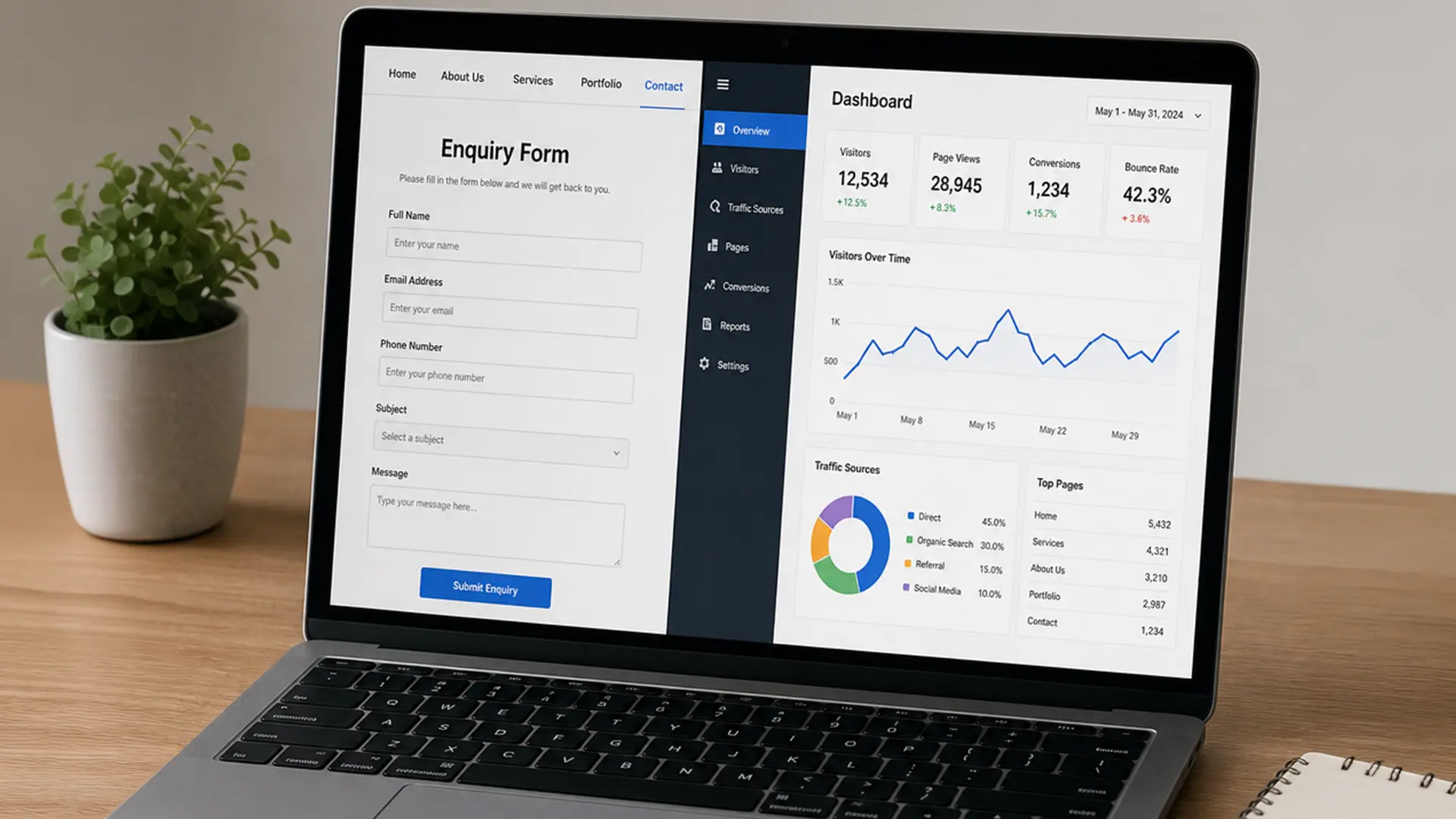
The right lead generation tools can make your process smoother, but they should support your strategy rather than replace it.
Useful tools may include:
Choose tools based on your sales process. A local trade business may need fast call capture and simple quote forms. A business to business consultancy may need lead scoring, meeting booking, and nurture emails.
For finding new contacts specifically, it is worth looking at tools that search in real time rather than pulling from a stored list. Meet Rocco is one example. It searches the web live when you run a search using filters like industry, location, and company size, so results reflect current information instead of an old database export. There are free credits to start, then a low monthly plan or pay as you go, so it is easy to try alongside whatever else is already in your stack. That matters for deliverability too: contact lists verified close to the point of use bounce at around 0.3 percent, against 6.5 percent or higher for lists that have not been refreshed in months.
Keep the experience easy for the prospect. If your tools create friction, they will cost you leads. Test forms on mobile, check response emails, and make sure every enquiry goes somewhere visible.
Not every lead deserves the same level of attention. Lead scoring helps your team focus on the prospects most likely to convert.
You can start with a simple manual model. Score leads based on factors such as:
A lead who requests pricing, matches your ideal customer profile, and wants help this month should be handled differently from someone who downloaded a general guide with no clear timeline.
Lead scoring also improves reporting. Over time, you can see which channels bring high value enquiries, not just high enquiry numbers. That distinction matters if you want growth that improves revenue rather than simply filling your inbox.
If your contacts come from a search-based tool such as Meet Rocco, some scoring criteria are already answered by the filters used to find them, industry, location, and company size, which saves a step when building out the model above.
Speed matters, but quality matters too. A fast reply that feels generic can still lose the lead.
The speed itself is worth the effort. Responding to a new enquiry within five minutes can lift contact rates by roughly 900 percent compared to a slower reply, and waiting more than 30 minutes can cut your chance of closing the lead by around 80 percent.
When someone enquires, respond with context from their action. If they downloaded a guide, mention it. If they requested a quote, confirm the details you need. If they asked about a specific service, point them to the next step.
A strong follow up might include:
Do not make people repeat information they already provided. That creates frustration and signals a disorganised process.
If your team cannot respond quickly during busy periods, set expectations with an automated message, then follow through. Reliability builds trust before a sales conversation even begins.
Some leads are interested but not ready. Email nurturing keeps your business visible while giving prospects useful reasons to stay engaged.
A good nurture sequence is not a string of sales pitches. It should answer questions, reduce uncertainty, and show proof.
You might send:
Segment where possible. A homeowner, small business owner, and enterprise buyer should not receive identical emails if their needs are different.
Keep the tone human. Write as if you are helping one person make a better decision. That mindset usually produces better emails than trying to impress a large database.
Reviews and testimonials are powerful, but only when they appear where doubt is likely to occur.
Add social proof near:
Specific testimonials are stronger than broad praise. “The team was great” is nice, but it does not say much. A better testimonial explains the problem, the experience, and the result.
If you serve Australian customers, local proof can be especially persuasive. Prospects often want to know that you understand their environment, expectations, and practical constraints. Show recognisable industries, regions, or use cases where appropriate, while respecting customer privacy.
Broad campaigns often bring broad leads. Targeted campaigns give you more control over who you attract.
Instead of promoting your entire business, create campaigns around specific audiences or needs. For example:
Each campaign should have a tailored message, landing page, offer, and follow up sequence. This makes your lead generation tactics easier to measure because you can see which audience and offer combinations perform best.
Paid search, paid social, local sponsorships, and partner emails can all work, but only when the message fits the audience. Relevance is what turns attention into action.
Partnerships can be a reliable source of leads because trust is already partly established. The right partner serves a similar audience but does not directly compete with you.
Examples include:
Partnerships work best when the value is mutual and clear. Do not simply ask for referrals. Create something useful together, such as a webinar, checklist, event, guide, or shared offer.
Set expectations early. Discuss the ideal customer, referral process, response time, and how you will protect the relationship. A thoughtful partnership can produce warmer leads than many cold outreach campaigns.

More leads are not always better. If your sales team is spending hours on poor fit enquiries, your marketing may be creating activity rather than revenue.
Track quality indicators such as:
Review this data regularly with both marketing and sales. Sales teams often know which leads are serious, confused, rushed, or unsuitable. Marketing teams can use that feedback to refine content, targeting, forms, and offers.
This is one of the most important lead generation tactics because it prevents waste. When you understand which enquiries become profitable customers, you can invest more confidently in the channels that matter.
Where the enquiry came from is worth checking too. A contact sourced live from a tool like Meet Rocco is far less likely to be a dead number or a bounced email than one pulled from an old export, which means your quality numbers reflect fit and interest rather than list decay.
You do not need to implement everything at once. Start with the weakest point in your current process.
If you have traffic but few enquiries, improve landing pages and calls to action. If you have enquiries but poor conversion, improve qualification and follow up. If you have strong sales conversations but not enough opportunities, invest in SEO content, partnerships, and targeted campaigns.
A practical starting plan could look like this:
Lead generation is not a single campaign. It is a system. The stronger each part becomes, the easier it is to turn interest into conversations and conversations into sales.

Lead generation is the process of attracting potential customers and encouraging them to share their contact details or express interest in your product or service. It can happen through SEO, advertising, referrals, social media, events, email, partnerships, and other channels.
The best tactics usually include a clear website offer, local SEO, helpful content, customer reviews, referral partnerships, simple enquiry forms, and fast follow up. Small businesses often get better results by focusing on a few consistent activities rather than trying every channel at once.
Useful lead generation tools may include a customer relationship management platform, website forms, email marketing software, analytics, live chat, call tracking, and online booking software. The right mix depends on your sales process, budget, team size, and the way customers prefer to contact you.
If stale contact data or bounced enquiries have been a recurring problem, it is worth adding a tool that searches for contacts in real time, such as Meet Rocco, alongside whichever CRM and outreach tools you already use.
Start by improving the pages that already receive traffic. Make the offer clearer, add proof, simplify forms, and use stronger calls to action. Then create content for the questions buyers ask before they enquire. Over time, measure which pages and channels bring leads that actually convert.
Some tactics, such as improving follow up or adding clearer calls to action, can create quick gains. SEO, partnerships, and email nurturing usually take longer because they rely on trust, visibility, and repeated engagement. A balanced strategy includes both quick improvements and long term assets.
Look beyond enquiry numbers. Good quality leads tend to match your ideal customer profile, have a real need, fit your service area, understand the value you offer, and have a realistic timeline. Track how many leads become sales, not only how many forms are submitted.
Outsourcing can help if you lack time, skills, or systems, but it works best when you already understand your audience and offer. Whether you manage it internally or with external support, keep ownership of your customer insight, brand message, and sales feedback.